




Ponchos work with almost any outfit — pullover styles layer over jeans and a tee, open-front capes double as light jackets, and lighter-weight ponchos tuck into a coat like an oversized scarf for extra warmth. The key is knowing what shape you're working with, not memorising a set of rules.
Ponchos are the garment people talk themselves out of buying. They love the look. They love the warmth. They pick one up, hold it against themselves, and then put it back because they can't picture how to make it work outside the shop.
But ponchos are actually one of the easiest garments to wear, because they don't ask much of you. No sizing anxiety, no tailoring, no worrying about whether it pulls across the shoulders. You put it on. It drapes. That's most of the work done. And they're far more versatile than they look on a hanger — the same poncho can work as outerwear, a layering piece, a wrap, or even a scarf substitute depending on how you wear it.
Know your shape
Not all ponchos are the same garment. Getting the shape right is the whole game.
Pullover ponchos go over the head and fall from the shoulders. They're the classic poncho shape — generous, enveloping, and the warmest option because there's no opening for cold air. The McDonald Ombre Poncho and the Garter Detail Poncho are both pullover styles. These work thrown over whatever you're already wearing — a baggy linen shirt, a fitted top, a knit dress, a hoodie. The poncho creates the silhouette, so what's underneath matters less than you think.


One thing most people don't realise about pullover ponchos: you can wear them in different orientations. The Koru Two Way Poncho has a diagonal hem — worn one way, it gives you an asymmetric drape with the longer point falling at the front. Rotate it and the hemline sits straight across, more even and structured. Two completely different looks from one garment.

Open-front capes and button-front styles have a front opening, so your outfit is visible underneath and your arms are free. They behave more like a coat than a traditional poncho — you can shrug them on and off, push the sides back, or let them hang. The Zig Zag Cape is more open and draped. These are the easiest for people who are nervous about ponchos — they read as outerwear, not knitwear, and nobody ever worried about looking like a blanket in a coat.
Step hem and asymmetric styles also break up the classic rectangle shape. The McDonald Step Hem Poncho is a pullover with an uneven hemline. If you want the warmth of a pullover with a bit more visual movement, these are worth a look.
What to wear underneath
The honest answer is: whatever you want.
Ponchos look great over fitted jeans and a tucked-in top — that's the easy, reliable combination. But they also work over a loose linen shirt, a relaxed knit dress, wide-leg trousers, or an oversized tee. The poncho is doing the shaping work from the shoulders down; what's happening at the waist and hips is less visible than you'd expect. If you're comfortable in what you're wearing without the poncho, you'll be comfortable with it on.
The one thing that does matter is neckline. A pullover poncho with a high neck looks best over something simple underneath — a round or V-neck, nothing with its own collar. Open-front styles are less fussy because the front panel falls away from the neckline anyway.
The extra layer trick
This is the one that surprises people. Lighter-weight ponchos — particularly the finer merino and possum merino knits — don't have to be worn as an outer layer. On properly cold days, you can fold or scrunch a lightweight poncho up around your neck and tuck it inside a coat, where it works like an oversized infinity scarf. You get the warmth of the poncho across your chest and shoulders, plus the wind protection of a jacket over the top. The Trilogy Moss Stitch Poncho and the Royal Merino Graduated Stripe Poncho are both light enough to layer this way.
This also solves the "I love my poncho but it's too windy today" problem. Wear the poncho. Put a coat on top. Done.
Dressed up

Ponchos aren't just weekend knitwear. A cape over a black dress and boots is a complete winter evening outfit. The Koru Fur Trim Poncho was made for this — the fur trim lifts it out of casual territory without trying too hard. It works at a restaurant, a winter wedding, or a show, and it means you don't need a separate coat.
For something less dramatic, the Koru Moss Stitch Shrug has enough texture to carry an outfit with simple dark trousers and a clean top. Ponchos have an advantage over jackets at evening events — they don't crease when you sit, and you never have to work out where to put them.
The stuff nobody tells you
The questions people actually have about ponchos aren't about outfit combinations. They're about logistics.
Driving: Open-front and button-front styles work fine in the car. Pullover ponchos are better pushed back over the shoulders or taken off — a lot of draped fabric and a seatbelt aren't ideal. This is one reason button-front capes are popular with people who drive a lot.
Carrying a bag: Crossbody bags work under or over a poncho. Shoulder bags tend to bunch the fabric on one side. Backpacks go underneath and look fine — the poncho drapes around the straps.
Sitting down: Ponchos sit better than most knitwear when you're in a chair. The fabric falls to either side, nothing pulls or bunches, and you end up looking more put-together than you did standing up. This is one of the best things about them.
Wind: Pullover ponchos handle wind well because there's nowhere for air to get in. Open-front styles will catch the breeze — a pullover like the Two Way Poncho handles this neatly.
Where to start
If you've never worn a poncho before, a pullover is the easiest place to start. You put it on and it's done — no styling decisions, no worrying about what's visible underneath. If you want something that works more like a jacket, go with a button-front cape. Either way, you'll wonder why you waited.
If you already own a poncho and it's been sitting in the wardrobe: put it on over whatever you're wearing right now. That's the outfit. It almost certainly looks better than you think.
Browse the full range in our poncho collection, or explore our women's range for cardigans, jumpers, and layers to wear underneath.
Common questions
How do you style a poncho without it looking bulky?
The key is balancing volume with structure. Pair a poncho with fitted base layers such as slim trousers, straight-leg jeans, or streamlined knit dresses to create contrast against the outer drape. Choose ponchos with shaping details such as stepped hems, side splits, or defined necklines, which help create vertical lines and prevent a blocky silhouette.
What should you wear under a poncho?
Base layers should stay visually simple so the poncho remains the focal point. Crew necks, V-necks, and fine-gauge knits work best, along with fitted shirts or lightweight turtlenecks in colder weather. Avoid oversized collars, heavy layering, or textured tops that interfere with the drape and break the clean line of the outer layer.
What types of ponchos are easiest to style?
Structured ponchos with defined seams, arm openings, or asymmetrical hems are the easiest to style because they create shape rather than forming a single block of fabric. Lightweight merino or possum merino ponchos drape more naturally than heavy woven styles, making them easier to integrate into layered outfits without adding bulk.
Are ponchos flattering to wear?
Ponchos are flattering because they create soft structure from the shoulders downward, skimming the body rather than clinging to it. This produces a balanced silhouette that works across different body shapes, particularly when paired with fitted or tapered pieces on the lower half to maintain proportion and avoid excess volume.
Can ponchos be worn as outerwear?
Yes. Heavier knit ponchos, including possum merino styles, can function as outer layers in cool weather, especially over fitted knits or long-sleeve base layers. They can also be layered under structured coats when cut is slim enough, allowing them to add insulation without disrupting the overall silhouette.
Keep reading

Christmas Gift Guide: New Zealand-Made Gifts for a Summer Christmas
Possum merino and fine merino gifts for a New Zealand and Australian summer Christmas

New Zealand Gifts to Send Overseas: What to Choose and How to Get It There
Choosing a New Zealand-made gift for family overseas, and how delivery, duty and tax work
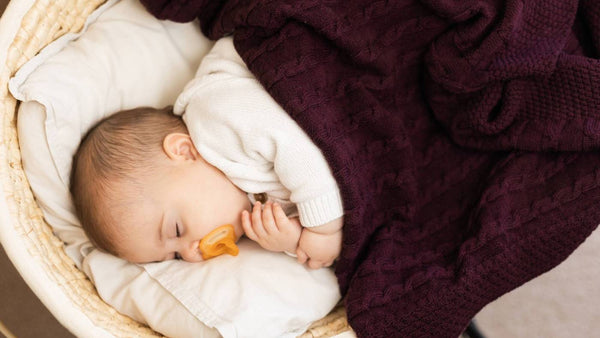
Pēpē Gift Guide: Merino for a New Baby, and Possum Merino as They Grow
Merino baby blankets, a newborn gift set and possum merino for children, knitted in New Zealand

